Do you tip waiters in Florence?
Tipping in Florence is not expected. A coperto is a cover charge; a separate servizio is a service charge, and most Italians simply round up the bill. Here’s exactly what you need to know before you dine.
 By Giulia Conti, Florence Food Tour Specialist and Culinary Guide
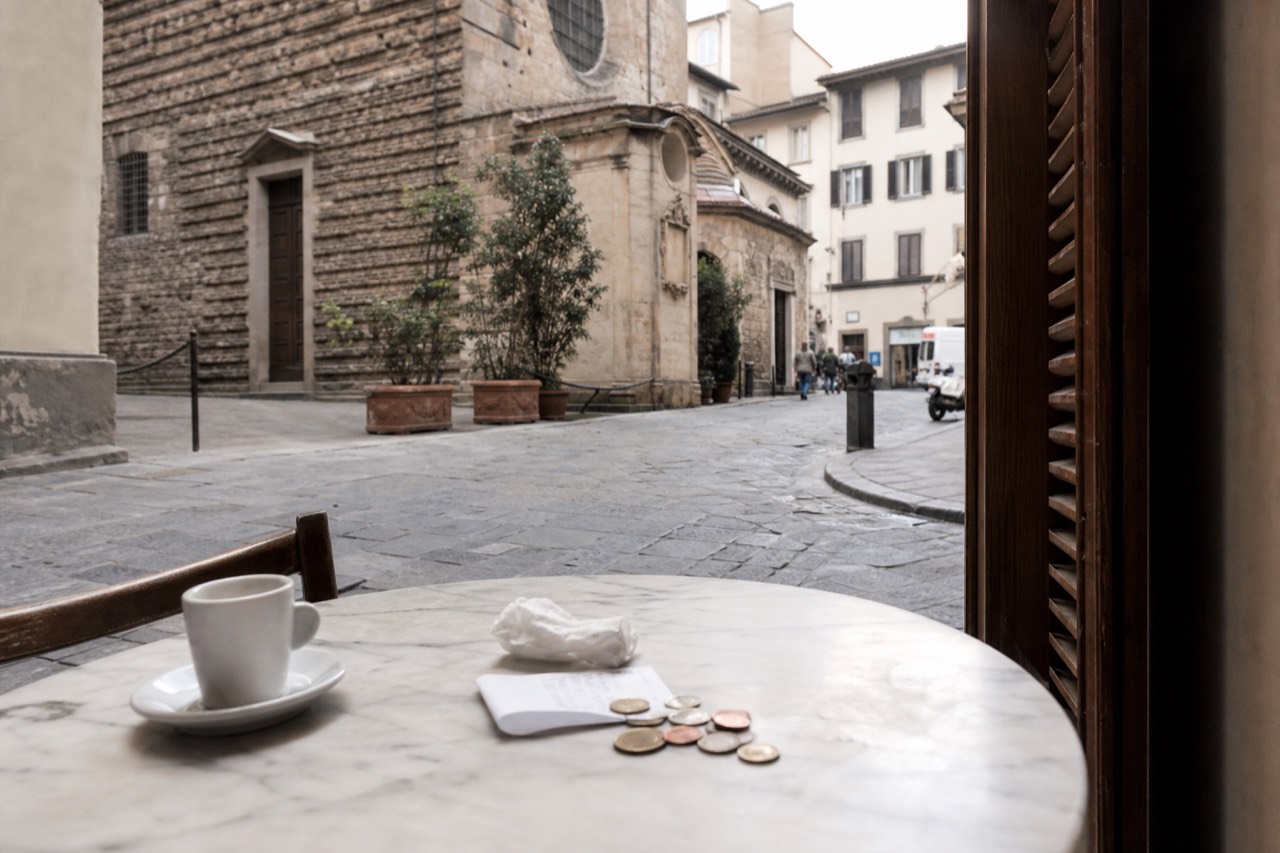
No one wants to be the tourist who gets it wrong. In a city where dining is an art form, the question of whether to tip can feel loaded. The short answer is simple: no, you do not tip waiters in Florence in the way you might at home. A coperto is a cover charge, not a tip; a separate servizio is a service charge. An extra tip is optional. The longer answer explains why, and what you should do instead.
Do you tip waiters in Florence?
No, tipping is not expected. Restaurants in Florence typically include a coperto (cover charge), a national convention in Italy of about €1 to €3 per person, up to around €5 at smarter places, and a servizio (service charge) of roughly 10 to 15 percent sometimes appears on the bill in tourist-facing restaurants. The coperto is not a gratuity, and a servizio does not necessarily pass directly to your waiter. Tipping remains optional. Italians themselves typically leave nothing, round up to the nearest euro, or place a coin or two on the table as a small gesture, never a percentage.
The confusion stems from two separate charges that can look like a tip to a foreign eye. The coperto is a fixed per-person amount, and across Italy it typically runs about €1 to €3, up to around €5 at smarter places; see our full explainer on what the coperto actually covers. It is not a gratuity; it covers bread, oil, and the basic cost of setting the table. Italian law requires it to be clearly printed on the menu before you order, so you always know it’s coming. The servizio is a percentage added to the bill, usually 10 to 15 percent, and it is most common in the historic centre and in restaurants that see a lot of international diners. When you see “servizio incluso” or a percentage line, the waiter’s service has been paid for, and you owe nothing extra.
The real rule is this: read your bill. Check the coperto and any separate servizio against the menu; neither creates an obligation to add a tip. If you see neither and the service was genuinely warm, leaving a euro or two in cash on the table is a kind gesture, but it is never required. The idea of calculating 15 or 20 percent on top of a restaurant bill is entirely foreign here, and no Florentine waiter will chase you down for a tip.
The key point is that tipping in Florence is a small, optional thank-you, not a wage subsidy. The coperto is a restaurant cover charge, while the servizio is a separate charge for service; neither should be confused with a voluntary tip. When you leave a euro coin, you are simply saying “grazie,” not correcting a shortfall. This is why the question “how much should I tip?” is the wrong one to ask. Ask whether a separate service charge applies, then decide whether you want to leave an optional thank-you.
What is the coperto and does it replace a tip?
The coperto is a per-person cover charge, usually about €1 to €3 across Italy and up to around €5 at smarter places, that pays for bread, table linen, and the table setting. It is not a tip and does not go directly to your waiter as a gratuity. A cover charge and an optional tip are separate things. If you want to add a small cash gesture on top, that is fine, but it is not expected and never a percentage.
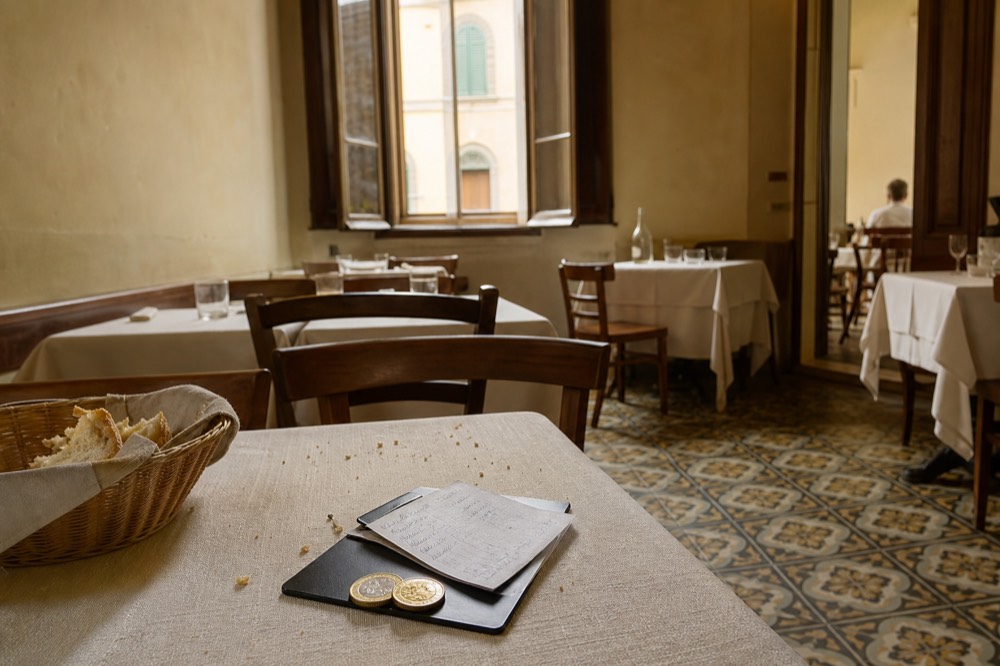
The coperto is a deeply Italian institution, and it is worth understanding because it explains why the whole tipping question feels so different here. Sitting down at a trattoria table in Florence is more than renting the chair, as Best Restaurants in Florence explains. You are paying for the bread basket, the olive oil, the salt and pepper, the napkin, and the fact that someone has set the table for you. The coperto is a fixed charge, not a variable one, and it is the same whether you order a three-course meal or a single plate of pasta.
The coperto does not pay a gratuity directly to the waiter, and an additional tip remains optional. Locals typically leave nothing at all, round up, or drop a euro or two in cash when the service has been genuinely good. The only time a larger tip might be appropriate is if you have received truly exceptional, personal attention, perhaps a sommelier who guided you through a wine pairing, or a waiter who accommodated a complicated dietary request with grace. Even then, a €5 or €10 note is generous, not a percentage.
If you are uncertain, simply look at the line items on your bill. The coperto is always labelled clearly, often as “pane e coperto” or simply “coperto.” That identifies the cover charge; it is separate from any servizio or voluntary tip. A separate “servizio” line, when present, is the final confirmation that no additional tip is needed.
When is a service charge already included?
A service charge, or servizio, sometimes appears on the bill in tourist-facing Florence restaurants, especially those in the historic centre and those that cater to an international crowd. It is usually listed as a percentage, typically 10 to 15 percent, and it is the final word on tipping. If you see servizio incluso or a percentage line, you do not need to leave anything extra. Some restaurants even print “servizio compreso” directly on the menu.
| What you see on the bill | What it means for tipping |
|---|---|
| Coperto on the bill | Cover charge for the table; a tip remains optional |
| Servizio 10-15% | Separate service charge; an extra tip is optional |
| Servizio incluso | Service included in the price; no tip needed |
| No coperto, no servizio | Rare; a €1-2 cash gesture is appreciated but not expected |
| A line for “mancia” or “tip” | Almost never appears; if it does, it is optional |
The servizio is the closest thing Florence has to an automatic gratuity, and it is the reason many visitors feel confused. If you are used to adding 20 percent to every bill, seeing a 12 percent charge already on the total can feel like you are being short-changed. In reality, the restaurant is doing exactly what the law and custom require: telling you upfront that service is paid for.
The servizio is most common in the busy streets around the Duomo, Piazza della Signoria, and the Ponte Vecchio, where restaurants see a high volume of tourists who might otherwise leave nothing. In neighbourhood trattorie, you are more likely to see only the coperto, and the expectation of an extra tip is even lower. If you want to blend in, simply pay the bill as presented and leave a coin or two on the table if you feel moved to do so.
The only time you should actively check whether service is included is when you are dining at a high-end restaurant. At a Michelin-starred address like Enoteca Pinchiorri or Santa Elisabetta, the bill will almost certainly include a servizio, and leaving an additional tip is unnecessary. The same is true at hotel restaurants and rooftop bars, where a service charge is often built into the price of every drink (see Views and Rooftops).
If you are still unsure, a simple phrase will settle it: “Il servizio è incluso?” (Is service included?). The answer will almost always be yes, and you can pay with confidence.
What if I want to leave a tip?
If you want to leave a tip, the rule is simple: leave cash, leave a small amount, and never calculate a percentage. A €1 or €2 coin per person, placed on the table or handed directly to the waiter, is the most natural gesture. In smarter restaurants, a €5 note is generous. Do not write a tip onto the credit card slip; cash is always preferred.
The reason cash matters is practical. When you add a tip to a card payment, it goes through the restaurant’s accounting system and may be taxed or pooled in ways that do not directly benefit your waiter. A coin or note left on the table, by contrast, is understood as a personal thank-you. It is also the way Italians themselves handle the rare occasions when they choose to tip.
There is no need to make a show of it. Simply leave the coins beside your plate when you stand up, or hand them to the waiter with a “grazie” as you pay. If you are paying by card and want to leave a cash tip, place the coins on the table before you leave. The waiter will collect them after you have gone, and no one will think it odd.
One final point: never feel pressured by a tip line on a credit card receipt. Some tourist-heavy restaurants use handheld card machines that prompt for a tip, but this is an imported practice and not part of Florentine dining culture. You can confidently press “no tip” or leave the line blank. An optional tip is separate from the restaurant’s listed charges.
Does tipping differ on food tours or cooking classes?
No, tipping is not expected on food tours or cooking classes in Florence. The price you pay includes the guide’s or chef’s service, and any tastings or ingredients are covered. If you had an exceptional experience, a small cash tip of €5 to €10 per person is a kind gesture, but it is never required.
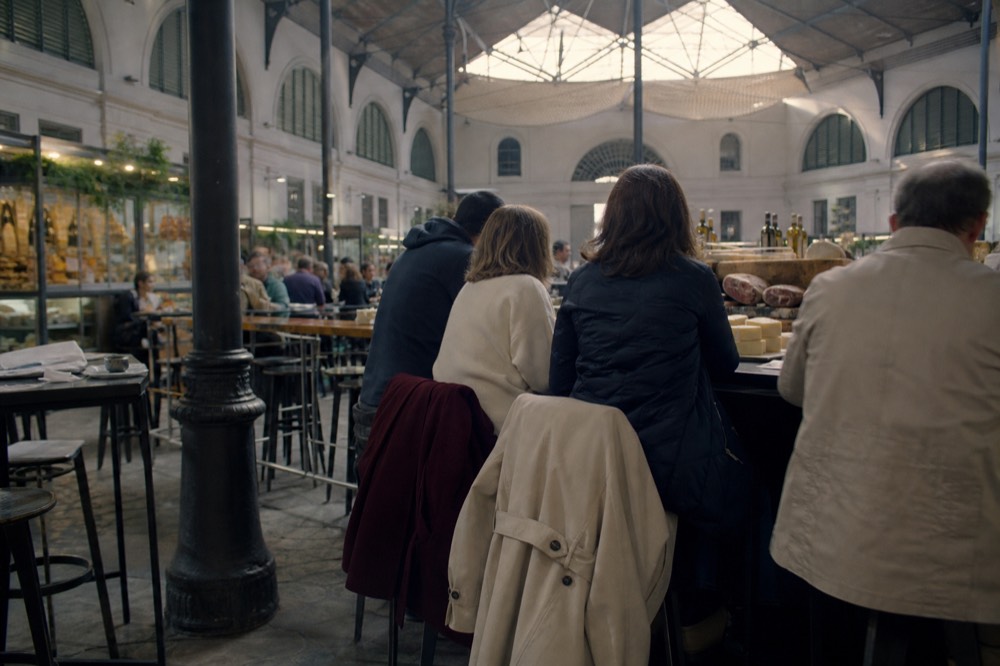
This is one of the great reliefs of booking a food experience in Florence. On a walking tour like the Florence Sunset Food & Wine Tour, every stop is pre-arranged, and the cost of each tasting is built into your ticket. There is no bill at the end of the evening, no awkward moment with a wallet, and the listed tastings are included. Extra orders and optional guide tips may cost more.
The same applies to cooking classes. Whether you are making pasta in a central kitchen or rolling out dough in a Chianti farmhouse, the class fee covers the chef’s time and the ingredients. If the chef went out of their way to accommodate you, a €10 note handed over with a thank-you is a lovely gesture, but it is the exception, not the rule.
For many visitors, this is the single best reason to book a food tour early in a trip. It puts the listed tastings into one booking, and it gives you a local guide who can answer all the other dining questions that come up. By the time you sit down at your first trattoria alone, you will already know what to look for on the bill.
Common questions about tipping in Florence
Do you tip waiters in Florence?
No, tipping is not expected. A coperto is a cover charge and a servizio is a service charge; neither is an optional tip, and Italians rarely leave more than a few coins.
What is the coperto in Florence restaurants?
The coperto is a per-person cover charge, usually about €1 to €3 across Italy and up to around €5 at smarter restaurants, that pays for bread and table settings. It is not a tip and must be printed on the menu.
Should I tip on a food tour in Florence?
No, food tour prices include the guide’s service and the listed tastings. Extra orders may cost more. A small cash tip of €5 to €10 is a kind gesture but never required.
Is it rude not to tip in Florence?
No, it is not rude. Tipping is entirely optional, and waiters do not expect it. Leaving nothing is perfectly acceptable, especially if a coperto or servizio is on the bill.
Do I tip in cash or by card?
Cash is preferred. If you want to leave a tip, place a euro coin or two on the table. Adding a tip to a card payment is less common and may not reach the waiter directly.
Choose Your Florence Food Experience
Initial editorial recommendation
Full Tuscan Meal Walk
Eat the equivalent of a full meal across at least four stops, with a local guide explaining the dishes. Check your travel date before arranging your other meals.
3.5 hours, English and Italian. Food, water and at least one alcoholic drink for adults included; gratuities excluded.
Compare The Formats And Adjust Your Choice
Coperto is a cover charge, servizio is a service charge, and an optional tip is separate. Compare included tastings and extras before booking.
Evening Steak And Wine Walk: Combine a walk through Florence with a sit-down Florentine steak dinner and other tastings. 3.5 hours, English guide. Hotel transfers and optional tips excluded. Walking required; dietary needs need advance confirmation.
Private Six Or Ten Tastings Walk: Choose six or ten local food and drink tastings with a guide dedicated to your party. 3 hours, English available. Choose the six- or ten-tasting option; meeting points differ. Hotel transfers and attraction admission excluded.
No verified recommendation meets these choices. Adjust the time or experience, or reset. For dietary, age or access requirements, obtain the operator's confirmation before booking.
Choose a date to see Viator's scheduled departures. Availability and final price are confirmed on Viator.